



2026 – Future Trends in Vision + Technology
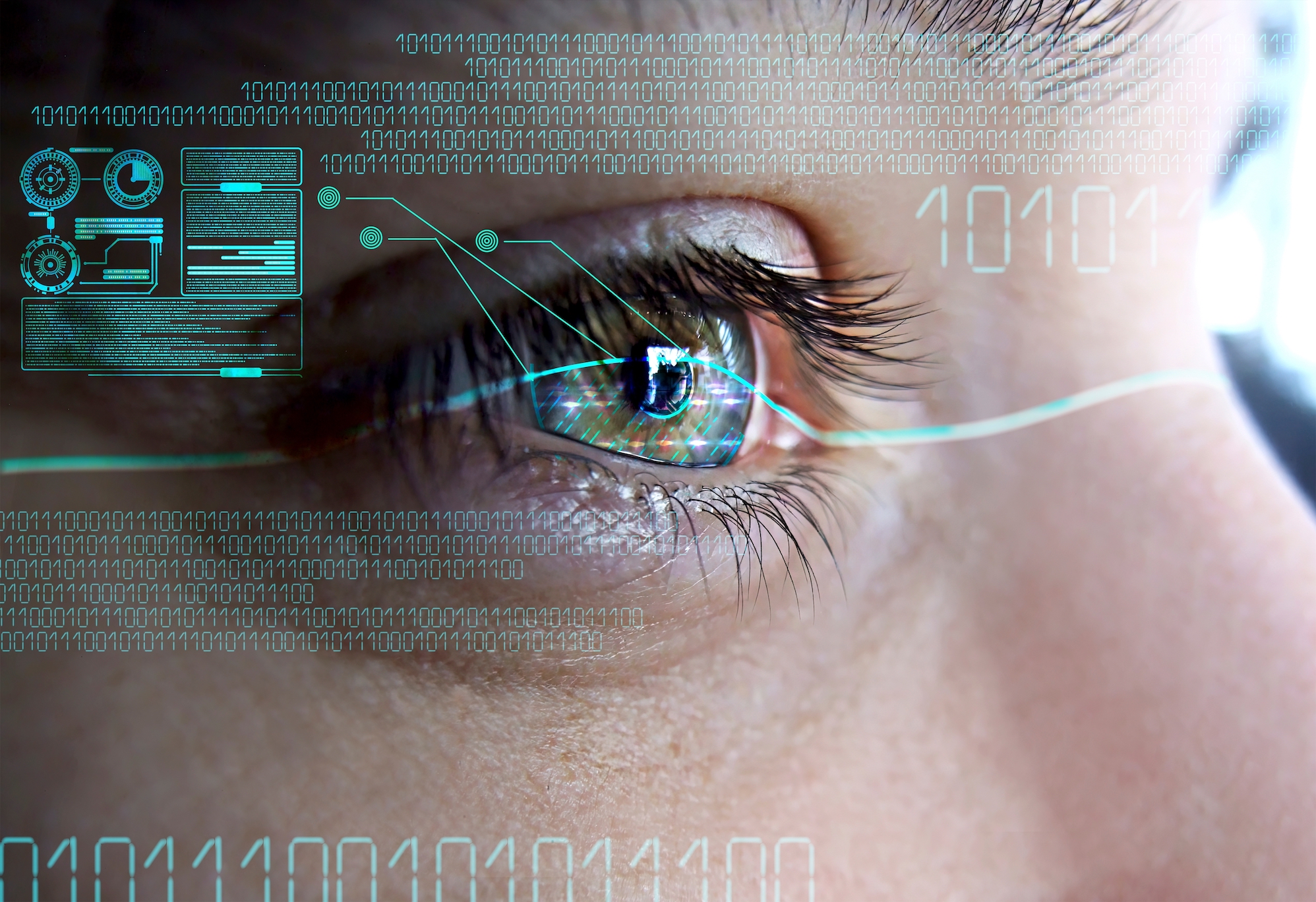
In 1965, Gordon Moore, co-founder of Intel, posited a theory that has become known as Moore’s Law, which speculated that the number of transistors on a single microchip will double approximately every two years, leading to exponential increases in computing power and decreases in cost. In large part, this prediction was the guiding principle for computing technology and a remarkably accurate prophecy for many decades.
Something shifted in the early 2020’s as technology found itself butting up against certain physical limitations – transistors today are approaching atomic scales consuming massive amounts of energy and money to produce. As such, the industry has shifted its focus to quantum computing, AI, 3D stacking of specialized microchips, and alternative architectures and innovations.
This pioneering vision seeks to use advanced technology to transform virtually every aspect of our lives including vision technology.
Future Trends in Vision
Seeing the future in 2026 means wrapping your head around AI almost more than anything else. The term artificial intelligence was first coined in 1955, and revolutionary technologies and models of the time were seen as the first glimpses of this new field.
It’s not likely most people could have imagined the truly unprecedented and disruptive technological forces to be unleashed in the coming years. While AI appears to be the dominant player, it is also informing advancements in a wide array of disciplines and academics.
AI-Driven Vision Diagnostics
Diagnostics are only as good as the physicians and scientists observing the available data, and no person can simultaneously see and compare all available data in real-time.
AI-driven diagnostics use artificial intelligence to instantaneously analyze vast quantities of medical data to achieve incomparably faster, more accurate disease detection and treatment planning.
Smart Eyewear (AR/VR Integration, Health Monitoring)
The smart phone revolutionized communication and society by democratizing access to advanced computing and information at one’s fingertips.
It is hoped by its biggest proponents that smart eyewear might do the same for experience and connection beyond the handheld device, integrating AI assistants into everyday tasks, augmenting reality with layered digital experiences, and health monitoring using built-in sensors much like health monitoring watches, but employing AI to track eye function, blinking patterns, detecting fatigue, stress, and early signs of conditions like glaucoma or neurological disorders.
Advanced Lens Technology (Adaptive, Blue-Light Filtering, Customized)
Eyeglass lens technology is also about to see remarkable breakthroughs with advancements in blue-light filtering, adaptive lenes that automatically adjust for different light or focus needs, and cutting-edge eyesight customization.
Gene Therapies for Blindness
Medical innovation across the board is trending towards cell and gene therapies as corrective interventions, repairing cellular and genetic defects that cause inherited diseases, vision loss, and even blindness using technologies like CRISPR gene editing and other gene replacement treatments.
20/26 Vision
People with vision rated at 20/26 would see at 20 feet what a person with 20/20 vision sees at 26 feet, meaning objects at a distance might appear slightly blurry, less clear and lacking sharp definition.
When looking ahead to the new year, our vision can also be a little blurry, but our intentions can be exceedingly clear. Make 2026 your best year for health, vision, and prosperity yet!
Happy New Year from Optical Expressions


Contact Info
Hours of Operation
- Monday 8:00am - 6:00pm
- Tuesday 8:00am - 6:00pm
- Wednesday 8:00am - 6:00pm
- Thursday 8:00am - 6:00pm
- Friday 8:00am - 6:00pm
- Saturday Closed
- Sunday Closed
© 2026 Optical Expressions. All rights Reserved. Accessibility Statement - Privacy Policy - Sitemap
Powered by:

