



Keep Cool and Carry On – A Look at Summer Heat and Vision
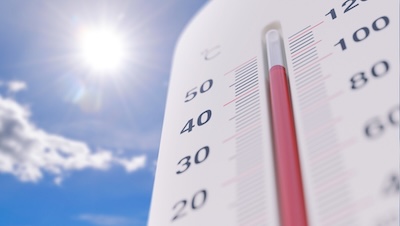
It’s not just you! The whole world is in fact heating up, and you can feel it in your own back yard. With temperatures on the rise, there are physical and economic consequences on the rise as well, and that’s beyond the additional days of air-conditioning and copious amounts of sunscreen.
The effects of heat and UV exposure on the skin is well known, as is UV effects of the eyes, but exposure to extreme or prolonged heat effects all functions of the body including a person’s eyes and vision in ways that can be overlooked.
Common Heat-Related Eye Issues
Aside from the very real concerns about ultraviolet light on eye health, there are a few other heat-related eye issues to keep in mind as temperatures rise and stay elevated for longer than usual.
Dry Eyes – Exactly what it sounds like! When exposed to prolonged hot, dry air, the tears that are produced to moisten the eye evaporates quicker than it can be replenished leading to dry, irritated, red eyes that can feel like they’re burning and stinging, and even cause your vision to appear blurry.
To treat dry eyes, wearing sunglasses and using over-the-counter eye drops to lubricate the eyes. Taking breaks from the sun or limiting exposure is also recommended, as well as drinking all the water you can!
Photokeratitis – A fancy word for sunburned eyes, can be a very painful and dangerous condition. Often caused by sunlight reflected off snow magnifying the intensity of the UV rays, photokeratitis is marked by the same symptoms as dry eyes including redness, burning, eye pain, and a gritty feeling.
Wearing sunglasses to limit direct exposure to the sun is the number one way to avoid a sunburned cornea!
Eye Allergies – Your body has ingenious ways to deal with exposure to all kinds of irritants and possible infections. When your immune system overreacts releasing excessive amounts of histamines to the area of concern.
Extreme heat can also produce higher levels of air pollutants, pollen, and other irritants. People who suffer from eye allergies can experience an increase in redness, itching, burning, and tearing. Flushing the eyes with water and applying cold compresses can help alleviate the discomfort. Over-the-counter eye drops and oral antihistamines can also help reduce allergic reactions.
Eye Infections – There are a variety of eye infections that can be exacerbated by extreme heat including conjunctivitis and styes. While elevated temperature does not itself cause an eye infection, it does create ideal conditions for bacteria and viruses to thrive.
Staying hydrated, wearing sunglasses, washing your hands as you would to prevent exposure to any germs or bacteria, can all help reduce the chances of infection.
Keep Cool and Carry On
Increased temperatures simply means increased awareness. Protecting yourself from the potentially damaging effects of overexposure to high heat is as easy as wearing polarized sunglasses, drinking more water, limiting unprotected exposure, washing your hands and face, and retreating when you know your body needs it!
The Heat is On at Optical Expressions


Contact Info
Hours of Operation
- Monday 8:00am - 6:00pm
- Tuesday 8:00am - 6:00pm
- Wednesday 8:00am - 6:00pm
- Thursday 8:00am - 6:00pm
- Friday 8:00am - 6:00pm
- Saturday Closed
- Sunday Closed
© 2026 Optical Expressions. All rights Reserved. Accessibility Statement - Privacy Policy - Sitemap
Powered by:

