



Transitions: Winter > Spring, Light > Dark, Clear > Sunglass Lenses
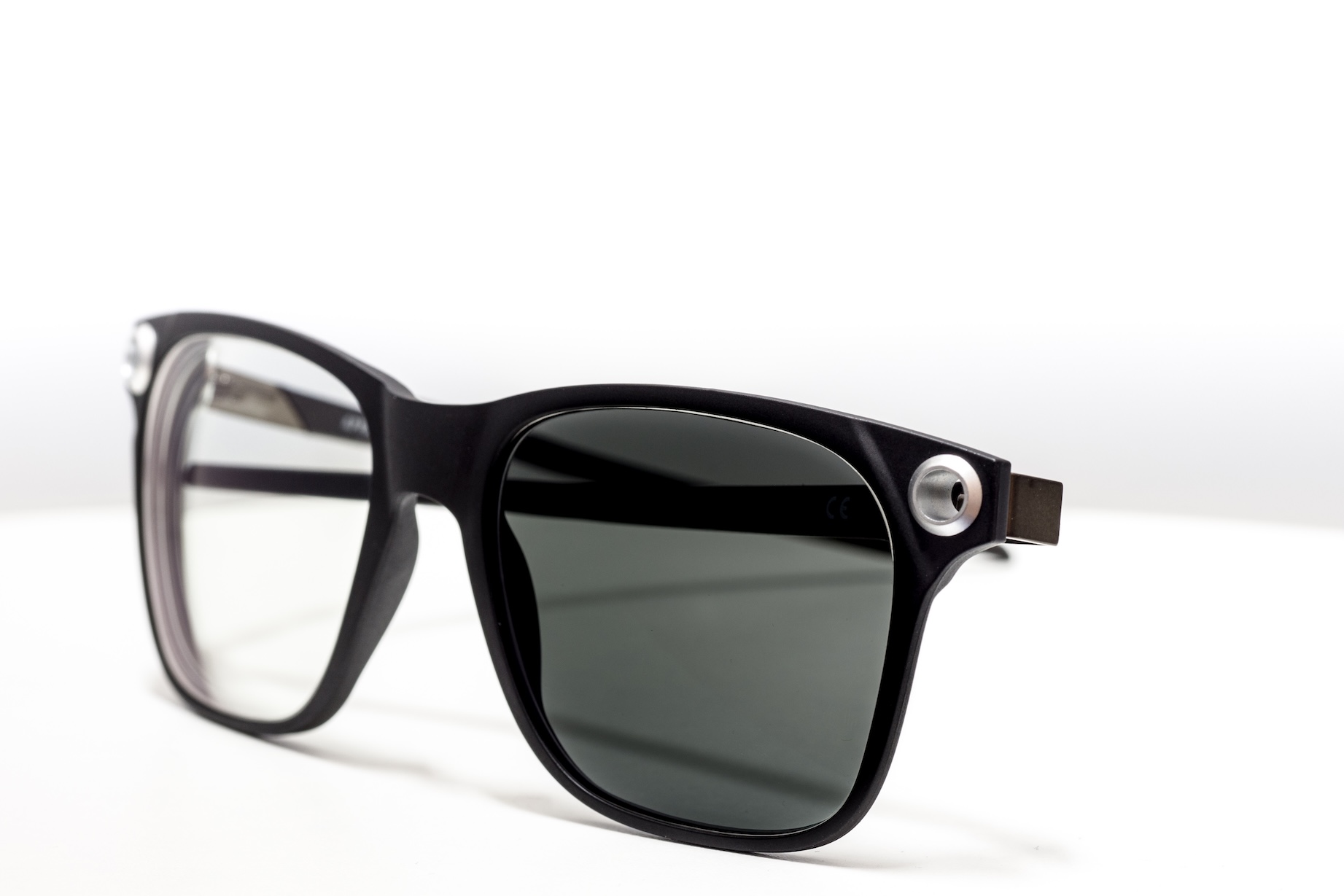
As the trees across the landscape begin their transition from winter to spring, and the hills enjoy daylight for all of 14 hours and 8 minutes today, it’s worth looking into the benefits of transition eyeglass lenses and the freedom of carrying only one pair of glasses wherever you go.
Transition lenses are designed to adapt automatically to changing light conditions, darkening to sunglasses state in bright light and clearing in when returning indoors or moving out of direct exposure to sunlight.
Transition Lens Technology
The magic of transition lenses lies in their use of photochromic technology. Whether they are glass or the more common plastic, photochromic lenses chemically react to ultraviolet radiation (UV) darkening or clearing as needed based on level of UV exposure.
Plastic photochromic lenses are imbued with carbon-based molecules often called photochromic dyes. The “dye” undergoes a chemical transition when exposed to UV light causing the lens to darken. The reaction however is only temporary. When removed from the source of UV light, the molecules return to their normal “clear” state.
Glass photochromic lenses have been around since the 1960s, though the technology has improved a bit since then. Glass transition lenses are manufactured with small amounts of silver halide or silver chloride. When the silver halide is exposed to UV light it actually gains an electron and becomes the elemental silver we are all familiar with as a silver metal.
On the molecular level, the silver halide does not become a solid metal but instead changes its appearance and become darker, tinted like sunglasses blocking the UV radiation and protected your eyes from direct sunlight.
The plastic photochromic lenses tend to transition quicker from clear to dark and back again, than their glass counterparts, which take a little more time, but ultimately accomplish the same goal.
Benefits of Photochromic Lenses
If you’re any one of the nearly 200 million adults who rely on eyeglasses to improve their vision, the benefits of not having to swap your glasses for sunglasses every time you venture outside is fairly obvious!
The sheer convenience of photochromic lenses cannot be overstated, but the benefits of enjoying UV protection any time you are exposed to sunlight is itself a significant eye health advantage as continued exposure to UV light can cause cataracts and other eye diseases.
Shortcomings of Photochromic Lenses
Probably the biggest drawback to traditional photochromic lenses is they’re reactivity while driving is dramatically reduced by the UV blocking properties of the windshield itself. That said, new technologies are coming to market all the time that aim to address this specific disadvantage.
Photochromic lenses take longer to adjust in cold weather, requiring Vermonters to be a little more patient in winter when the sun decides to come out.
With many brands of photochromic lenses to choose from, some definitely work better than others, offer a wider variety of shapes and styles, and last longer.
The best way to find the transition lenses that work for you is to talk to your eye doctor or optician and see what’s available to meet your needs.
Photochromic Lenses from Optical Expressions


Contact Info
Hours of Operation
- Monday 8:00am - 6:00pm
- Tuesday 8:00am - 6:00pm
- Wednesday 8:00am - 6:00pm
- Thursday 8:00am - 6:00pm
- Friday 8:00am - 6:00pm
- Saturday Closed
- Sunday Closed
© 2026 Optical Expressions. All rights Reserved. Accessibility Statement - Privacy Policy - Sitemap
Powered by:

